Travel Vaccines for Asia with Kids
Tokyo and rural Southeast Asia are not one trip. How CDC sorts hepatitis A, typhoid and Japanese encephalitis by nights, season and where you sleep.
Published · Updated
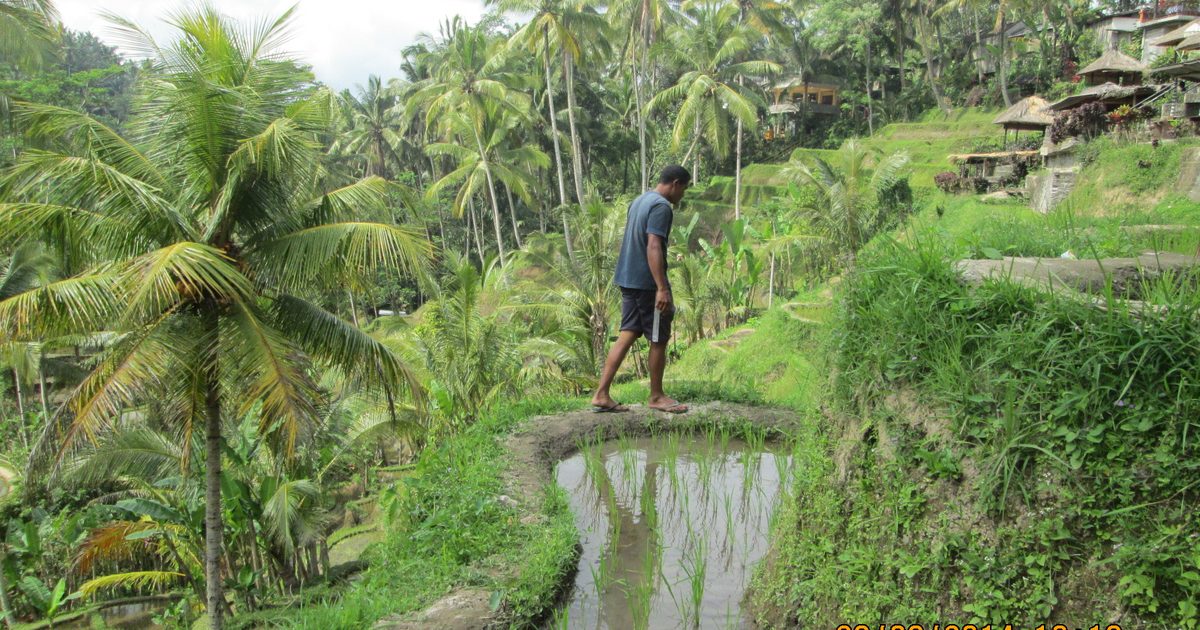
Two families in the same school directory typed "Asia" into the same shared time-off request. One is doing Tokyo, Kyoto, and a bullet train. The other is spending three weeks with relatives outside a smaller city in Southeast Asia, including four nights in a village. Travel vaccines for Asia with kids are not one list, because those are not one trip.
CDC publishes a page per country, never a page for the continent, and neighboring countries carry different tables. What follows is how to read those tables against a family itinerary. It does not name a dose for any individual child; that belongs to the appointment.
Which vaccines do children need for a trip to Asia?
Routine U.S. vaccines on every itinerary, then destination vaccines that depend on the country, the nights, and the season. Open each country on the CDC Travelers' Health destinations list; the standing notice at the top of that list applies to all of them: "CDC recommends all travelers get fully vaccinated against measles before traveling to any international destination."
Three destination vaccines come up most often for families going to Asia, and they are sorted by different questions:
| Vaccine | The question CDC pages sort it by |
|---|---|
| Hepatitis A | Whether the traveler has already been vaccinated, and what they will eat and drink |
| Typhoid | Food and water exposure, smaller cities, rural stays, and staying with friends or relatives |
| Japanese encephalitis | Length of stay, rural or agricultural areas, and season |
The wording differs by country. Thailand's page, checked on September 3, 2026, listed hepatitis A as "recommended for unvaccinated travelers one year old or older" and typhoid as "recommended for most travelers." Japan's page, checked the same day, used "consider hepatitis A vaccination for most travelers" and did not list typhoid at all. Same continent, different sentences.
What should you write down before you name a single vaccine?
Five things. A clinician can build a plan from this paragraph and cannot build one from "we are going to Asia in July":
- Cities versus countryside, country by country.
- Number of nights, and how many of them are rural.
- Season, because mosquito-borne risk in much of Asia is seasonal.
- Sleeping arrangements: air conditioning and screens, or open windows and canvas.
- Who is traveling — ages, pregnancy, and any immune conditions.
Add every layover. A connection in a third country can change an entry line that has nothing to do with the hotel you booked.
How do cities, countryside, nights and season change the list?
They change which column of the destination page a family lands in. Hepatitis A is the row U.S. households hit most often, and many children have already finished the series at home: CDC's hepatitis A vaccination page lists routine vaccination for "all children 12-23 months old." Checking the record before booking a travel clinic is the point of our article on hepatitis A and travel.
Typhoid moves with meals rather than with capitals. CDC country pages discuss it more strongly for smaller cities, rural stays, and visits to friends and relatives, and the choice between the oral and injected products, along with how far ahead each must be given, is a clinician's decision. How typhoid fits family travel covers that separately.
Japanese encephalitis is sorted by duration and setting: CDC's Japanese encephalitis page states that the disease "usually occurs in rural or agricultural areas in Asia and the western Pacific." The decision rule for who needs the vaccine lives in our article on when Japanese encephalitis vaccine is recommended.
Infants are the group where routine and travel schedules collide. CDC's Yellow Book chapter on travel vaccine recommendations for infants and children states that "infants 6-11 months old should receive one MMR vaccine dose" before travel, with two more doses after the first birthday, and that hepatitis A "vaccination is recommended for all children traveling to areas with an intermediate or high risk for hepatitis A beginning at 6 months of age." It also notes that routine doses "can be administered at the minimum ages and dose intervals to facilitate completion of a series before travel." Those are clinician decisions with follow-up doses attached, not numbers to copy from a blog.
Why is Japan a useful contrast rather than a free pass?
Because the Japan destination page still opens with routine vaccines and still carries a Japanese encephalitis section. Checked on September 3, 2026, it asked travelers to "make sure you are up-to-date on all routine vaccines before every trip," used "consider" language for hepatitis A tied to rural time and higher-risk eating, and recommended Japanese encephalitis vaccine for people moving to an affected area or staying a month or more, with consideration for shorter stays involving hiking, camping, or rural visits.
The same page listed yellow fever as "not recommended" and "not required," and noted that "dogs infected with rabies are not commonly found in Japan." A city holiday in Japan is genuinely a short list. A hiking week in the same country during transmission season is a different conversation with the same clinician.
Thailand shows the other half of the contrast. Its page, checked on the same date, carries a malaria map that distinguishes provinces bordering neighboring countries from major cities and the best-known islands. That map lives on the Thailand destination page and nowhere else worth trusting — read it there rather than reconstructing it from a forum thread, and remember that malaria is prescription medicine plus bite prevention, not a vaccine.
What do you take to the appointment?
By this point the question of travel vaccines for Asia with kids has become a short, specific list rather than a search term. Book early enough for a two-dose series if one is on the table, then bring:
- Every traveler's dose dates, adults included.
- The five-item itinerary paragraph above, written out.
- The country pages you read, with the date you read them.
- Any past reaction, allergy, or immune condition.
Ask the clinic to record what was given and what was deliberately skipped, because "we decided against it" is information the next clinician needs. Keeping those dates in one household place — a folder, a shared note, or the offline family record we build — is what stops the travel clinic printout and the pediatric portal from drifting apart. Destination first, person second, paperwork third.
FAQ
Is Japanese encephalitis vaccine needed for a two-week city trip?
Usually not, but the country page decides. CDC's Japan and Thailand pages, checked on September 3, 2026, recommend the vaccine for people moving to an affected area or staying about a month or more, and suggest considering it for shorter trips that involve rural areas, hiking, camping, or other outdoor exposure during transmission season. A two-week itinerary spent in cities generally falls outside that description, but the judgment belongs to a clinician who has seen the nights.
Do most U.S. children already have hepatitis A?
Many do. CDC's hepatitis A vaccination page lists routine vaccination for "all children 12-23 months old as part of routine childhood vaccination," so children who completed the U.S. childhood series usually have it on record. The dates still have to be produced, since destination pages phrase their recommendation for unvaccinated travelers. For infants under 12 months traveling to higher-risk areas, CDC's Yellow Book describes vaccination beginning at 6 months of age.
Is malaria a risk in popular Thai destinations?
CDC's Thailand destination page carries the current map and separates areas by risk, treating provinces along neighboring borders differently from major cities and the best-known islands. Read that page for the specific places on your itinerary, because the boundaries change. Malaria is prevented with prescription medicine where CDC recommends it, together with mosquito-bite precautions, and there is no malaria vaccine on the traveler tables.
Not medical advice. This article is general information based on public U.S. CDC pages, checked on September 3, 2026. It does not replace a clinician. Schedules and country entry rules change — confirm the current official page and your own situation before you act.