Japanese Encephalitis Vaccine: Who Needs It
JE vaccine turns on duration, season, rural nights and where you sleep. CDC's recommended, considered and not-recommended buckets, in plain English.
Published · Updated
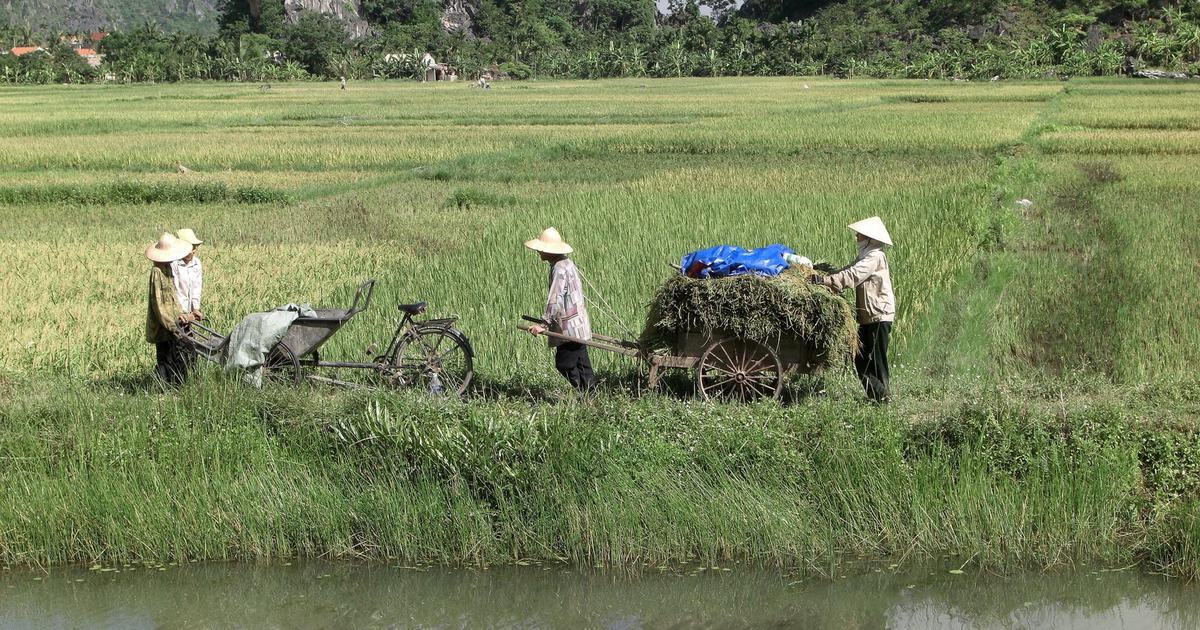
Shibuya Crossing at dusk is a thousand umbrellas; a rice paddy at dusk is a different mosquito. A traveler typing japanese encephalitis vaccine who needs it into a search box is usually standing between those two pictures and wants one line back. The line is that Japanese encephalitis is a rural, seasonal, long-stay question across parts of Asia and the western Pacific, and that a short city holiday and a month of countryside nights do not get the same answer.
Who needs the Japanese encephalitis vaccine?
The CDC recommends JE vaccine for a narrow group: people moving to a country where the virus circulates, travelers staying 1 month or longer in areas where it circulates, and people who return to those areas often. Everyone else lands in one of two other buckets, and a short urban trip outside the transmission season generally lands in the last one.
The virus itself is spread by mosquito bites, mostly in rural and agricultural areas, and illness in travelers is uncommon. Two facts from CDC's Japanese encephalitis hub set the frame for the rest of the decision: "a Japanese encephalitis vaccine is approved for use in U.S. travelers aged 2 months and older," and "no medicines are available to treat Japanese encephalitis." A disease with no specific treatment is why a low-probability risk still gets a conversation.
What raises the risk on a given itinerary?
Five details do most of the work, and a clinician will ask for all five before naming a bucket.
- Duration. Weeks and months carry more exposure than days.
- Season. Transmission is seasonal in much of the range; the month of travel matters as much as the country.
- Place. Rural and agricultural areas, especially near rice fields and pig farming, carry the risk; large cities generally do not.
- Activities. Outdoor evening and night hours — camping, hiking, field work, cycling, farm chores — put people where the mosquitoes are.
- Accommodation. Rooms without screens, air conditioning, or bed nets remove the last barrier.
Write those five down as nights, not as impressions. "Eleven nights, two of them at grandparents' village in August, no screens" is an answer a clinician can use. "Thailand in the summer" is not. The same destination-first habit works for any Asian itinerary with children, and the country pages in CDC's destination list are where the local season and geography are described.
What are CDC's recommended, considered and not-recommended buckets?
CDC's Yellow Book chapter on Japanese encephalitis sorts travelers three ways. This is a paraphrase for orientation, not a prescription for any traveler.
| Bucket | Who it describes |
|---|---|
| Recommended | People moving to a JE-endemic country, travelers spending 1 month or longer in endemic areas, and frequent travelers to those areas |
| Consider | Shorter-term travelers whose itinerary raises risk — rural time, outdoor evenings, unscreened lodging — and travelers who cannot yet say where they will be or what they will do |
| Not recommended | Very low-risk plans, such as brief urban-only visits outside the transmission season |
The middle row is where most family arguments live, and it is deliberately open. An uncertain itinerary is itself a reason to raise the question rather than to close it.
Is a two-week city trip a reason to skip the question?
It is a reason to expect the answer to be no, not a reason to leave the question unasked. A fortnight of trains, temples and restaurant meals in large cities, outside the local season, is the textbook description of the not-recommended bucket. What changes it is the sentence people add at the end of the plan: a farm stay, a two-night trek, a wedding in a village, a school exchange that turns two weeks into six.
Ask it once, out loud, with the calendar open. Then let the other travel vaccines keep their own places in the conversation — hepatitis A, typhoid and yellow fever have separate geographies, and JE should neither crowd them out nor be crowded out by them.
This article does not apply to people living in Asia rather than visiting, to travelers already sitting in an exam room with a clinician and a current CDC page open, or to anyone who has had an exposure and needs care now.
How long before departure does the series need to start?
Weeks, not days. CDC's Yellow Book describes a primary series of two doses given 28 days apart, an accelerated option of 0 and 7 to 28 days for people aged 18 through 65, and the two-dose series completed at least 1 week before travel. Confirm those intervals with the clinician who will give the doses; they are the reason how far ahead to book travel vaccines is the first practical question, not the last.
CDC's general advice reinforces it: the agency's before you travel page asks travelers to make an appointment "at least 4-6 weeks before you leave." Add to that a supply problem — JE vaccine is not stocked by most primary-care offices, so a travel clinic is usually the room where this happens, and a phone call beats an assumption.
Bring every traveler's existing record to that appointment. Hepatitis A and typhoid often ride along on the same itinerary, and nobody should restack a dose already given last year. Vaxnext keeps one record per family member on an iPhone or Android phone, with no account and offline reminders, plus CDC Travelers' Health recommendations for about 200 destinations you can open at the gate.
FAQ
At what age can a child receive JE vaccine?
CDC's Japanese encephalitis hub states that a JE vaccine is approved for use in U.S. travelers aged 2 months and older, and the Yellow Book notes that the inactivated vaccine IXIARO was licensed by the FDA in 2009 for travelers aged 2 months and up. Whether a particular infant should receive it is an itinerary conversation with a clinician, not an age rule on its own.
Is there a treatment for Japanese encephalitis?
No specific treatment exists. CDC states directly that "no medicines are available to treat Japanese encephalitis," so care for an ill person is supportive. That absence is the reason prevention carries the weight here: mosquito-bite protection for everyone, and vaccination for the travelers whose itinerary puts them in CDC's recommended bucket.
Does mosquito protection still matter after vaccination?
Yes. CDC's prevention advice for travelers to areas where the virus circulates is to avoid bites regardless of vaccination status — long sleeves, an EPA-registered repellent used as directed, screened or air-conditioned rooms, and bed nets where rooms open to the night. Those measures also cover mosquito-borne infections on the same itinerary for which no traveler vaccine exists.
Not medical advice. This article is general information based on public U.S. CDC pages. It does not replace a clinician. Schedules and country entry rules change — confirm the current official page and your own situation before you act.