Typhoid Vaccine: Who Actually Needs It
Typhoid is a destination, duration and food question, not an airport add-on. When clinicians lean toward it, and how the shot differs from the capsules.
Published · Updated
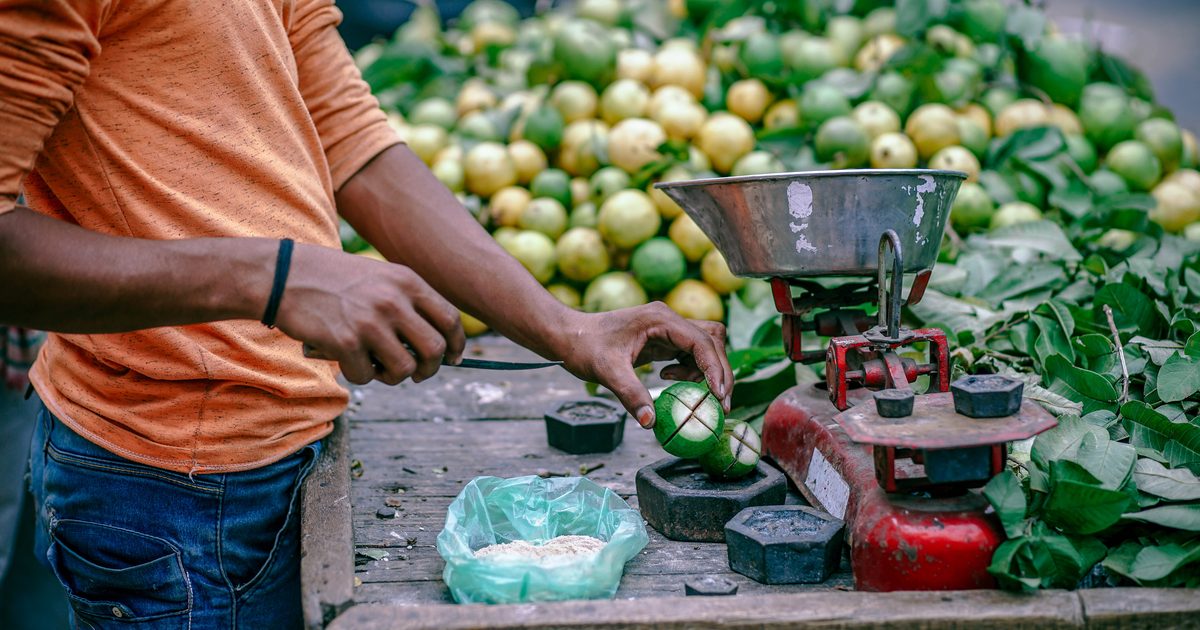
Whether a family needs a typhoid vaccine for travel depends on the destination, the length of the stay and the food, and the answer is published country by country. The CDC recommends typhoid vaccine "for travelers going to areas with a recognized risk for Salmonella Typhi exposure," and its destination pages say which countries those are. Two products exist in the United States, an injection and a course of capsules, and they are not interchangeable.
Nothing about this decision is an airport add-on. It is a clinical conversation held over a specific itinerary.
Does your family need a typhoid vaccine?
Open the country page before anything else. The CDC destination page for India lists typhoid vaccine as "Recommended for most travelers," and the CDC destination page for Mexico uses the same words — the label is set per country, not per region, which is why "Asia" or "Latin America" is too coarse a unit to plan around. Every country page sits on the CDC Travelers' Health destination list.
"Recommended for most travelers" is a health recommendation, not a boarding requirement. It means the clinician has a reason to raise it, not that anyone will stop you. That distinction matters more here than for almost any other travel vaccine, because families routinely mistake a strong recommendation for a rule and a rule for a formality.
If you are building the wider plan rather than deciding one vaccine, start from travel vaccines for U.S. families and put typhoid in the recommended column when the destination page puts it there.
When do clinicians lean toward recommending it?
Clinicians tend to lean toward a typhoid vaccine for travel when several of these are true at once:
- The CDC country page recommends it for most travelers, or specifically for people going to smaller cities, rural areas, or staying with friends and relatives
- The stay runs longer than a short resort week
- Meals will not be under your control — street stalls, home kitchens, long train journeys
- Young children are in the party, because hand-to-mouth contact is not a behavior you supervise away
They tend to be less interested when the trip is a few nights in a large city, meals are in established restaurants, and the destination page is quiet on typhoid. "Less interested" is not a guarantee. It is a reason to bring the actual itinerary — provinces, lodging, dates — instead of the word "vacation."
Trips to Asia with kids are a frequent setting for this question, because one continent label covers Tokyo and rural districts with very different destination pages. Read the page for the country you are entering, not the region you would name in conversation.
What is the difference between the injection and the oral capsules?
They differ in age, in dosing, in how far ahead they must be finished, and in how long they last. The CDC Yellow Book chapter on travel vaccine recommendations for infants and children, last updated April 23, 2025, sets both out.
| Vi capsular polysaccharide (ViCPS) | Ty21a (oral) | |
|---|---|---|
| Form | One intramuscular injection | Four capsules, one every other day |
| Minimum age | Children aged ≥2 years | Children aged ≥6 years |
| Finish before exposure | ≥2 weeks before | All four capsules ≥1 week before |
| Booster if indicated | 2 years later | Every 5 years |
The CDC adds that both vaccines "induce a protective response in 50–80% of recipients," and its typhoid prevention page states plainly that typhoid vaccines "are not 100% effective" and that available vaccines do not protect against paratyphoid fever.
The oral course has a failure mode the injection does not. Capsules must be swallowed whole, taken at least two hours after eating and an hour before the next meal, kept refrigerated as instructed, and finished. A half-used blister pack in a suitcase is not a series. If that sounds like your household in the week before a flight, say so at the appointment and ask about the injection instead.
Whether a pediatric office stocks either product varies. That is one of the practical differences between a travel clinic and your usual practice, and it is worth a phone call before you take a morning off work.
Is typhoid vaccine ever required for entry?
No country requires it as a condition of entry under international rules. Annex 7 of the WHO International Health Regulations (2005) designates exactly one disease for which "proof of vaccination or prophylaxis may be required for travellers as a condition of entry to a State Party": vaccination against yellow fever. Typhoid is not on that list, and was not as of September 2026. States can and do publish their own health rules, so the destination's own official page is still the last word, but a typhoid certificate is not a document borders are built around.
What should the record say afterwards — including a "no"?
Write more than "travel shots." A useful line names the vaccine, the product form, the date and the person: "Typhoid, ViCPS injection, May 2026, Maya." If it was the oral course, record the date the last capsule was taken, not the date the box was handed over.
Record the refusals too. "Typhoid discussed, not given, May 2026, resort week in Cancún" is genuinely useful history, because the next trip will not be the same trip and nobody remembers the reasoning eighteen months later. Do not invent a booster anniversary; ask the clinician whether they want to see the traveler again before a future trip and write down that sentence instead.
Vaxnext is a reasonable place for that note — it keeps a free-text note on each dose, allows a vaccine that is not in its list, works offline, and never sends vaccine records to an ad network. The clinic chart will not be in your pocket in two years when the next itinerary appears.
This article covers typhoid only, and it is not medical advice: which product suits a particular traveler is a decision for the clinician giving it, after seeing the ages, the health history and the route.
FAQ
Is typhoid vaccine given to young children?
Age limits differ by product. The CDC Yellow Book states the ViCPS injection "can be administered to children aged ≥2 years" and the oral Ty21a course "can be administered to children aged ≥6 years." Below those ages, neither typhoid vaccine is an option, and the conversation moves to food and water precautions and to the rest of the itinerary. A clinician decides what applies to a specific child.
Does the vaccine replace food and water precautions?
No. The CDC states that typhoid vaccines "are not 100% effective," that both products induce a protective response in 50–80% of recipients, and that available vaccines do not protect against paratyphoid fever. Its prevention page keeps the food and water guidance alongside vaccination: sealed or boiled water, food served hot and well cooked, and fruit you peel yourself.
How long does typhoid protection last?
The published figures are revaccination intervals, not guarantees. The CDC Yellow Book says a ViCPS booster dose is given 2 years later if continued protection is needed, and that a Ty21a booster dose "should be taken every 5 years, if indicated." Whether a booster is indicated for a particular traveler before a particular trip is a clinician's call, not a date to copy from an article.